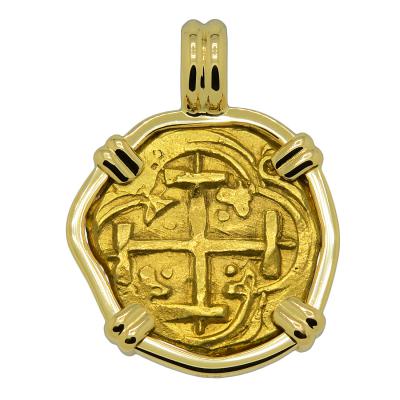
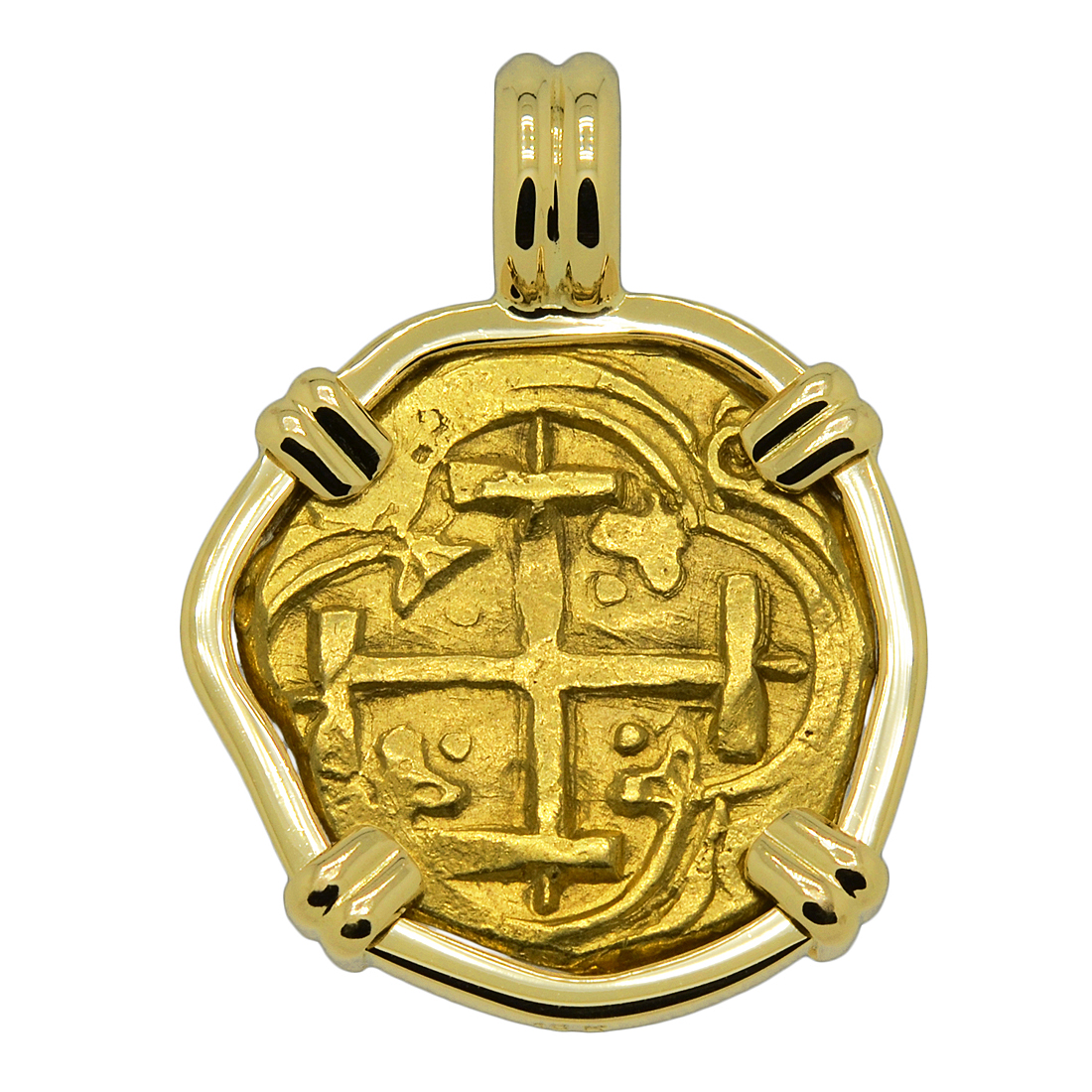
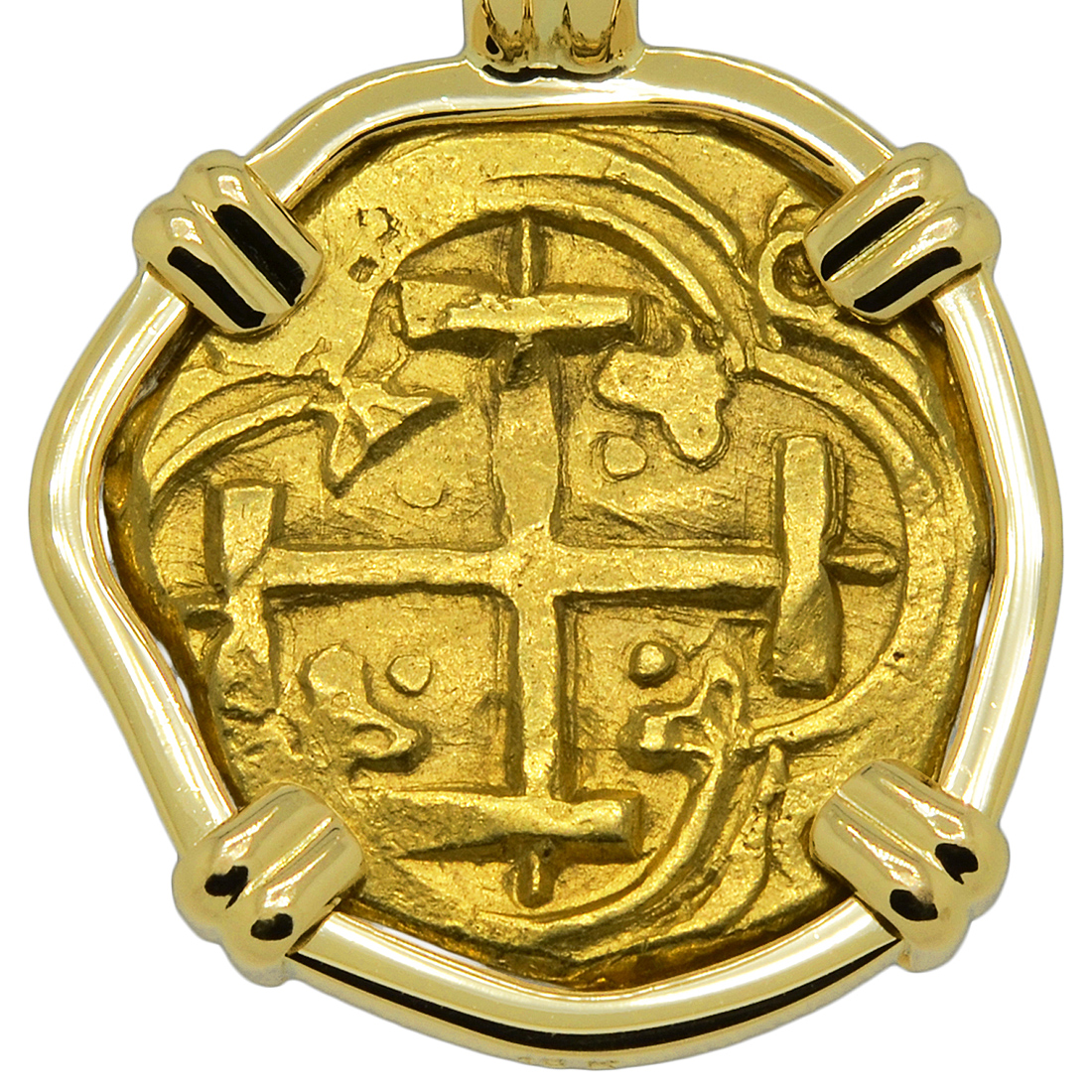
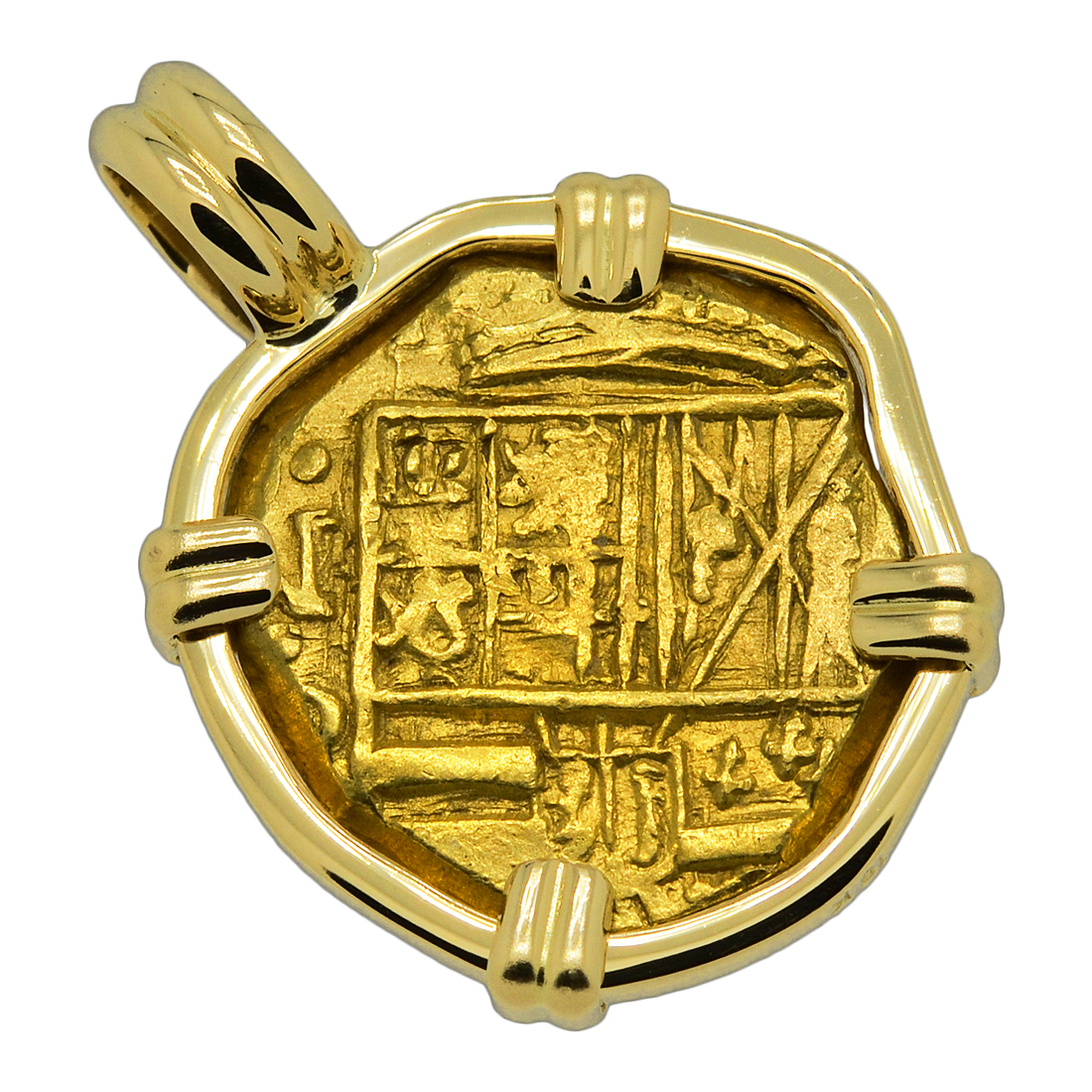
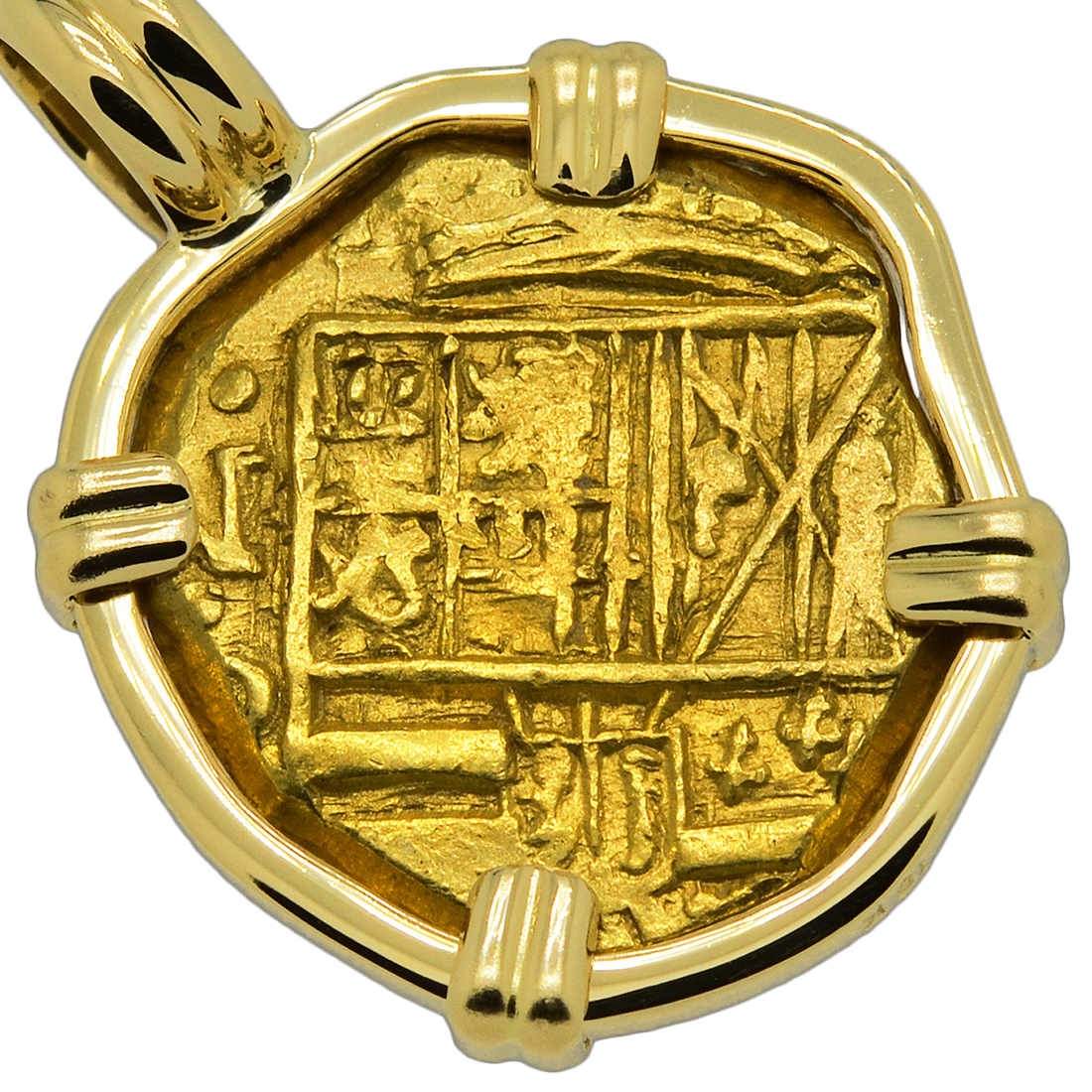
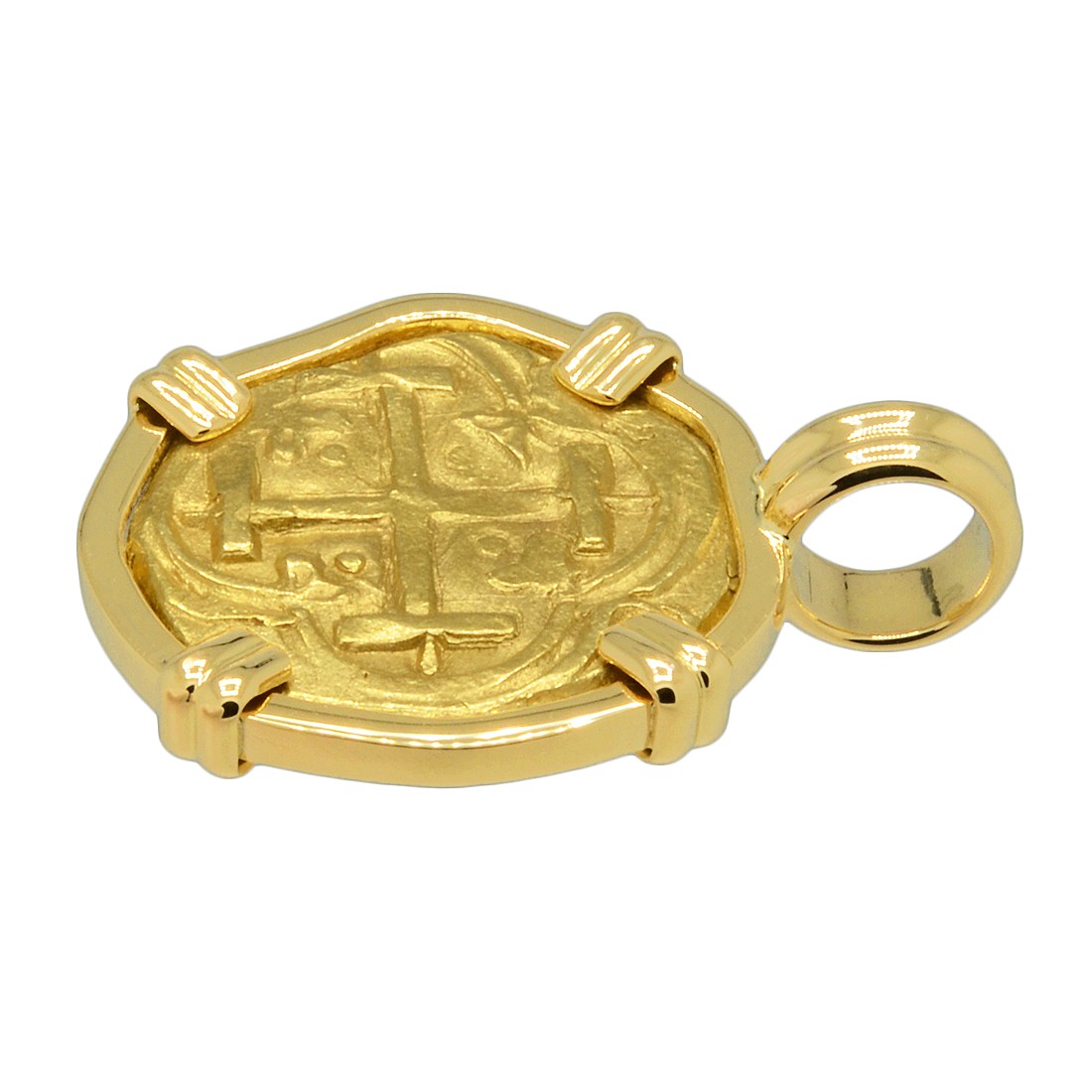
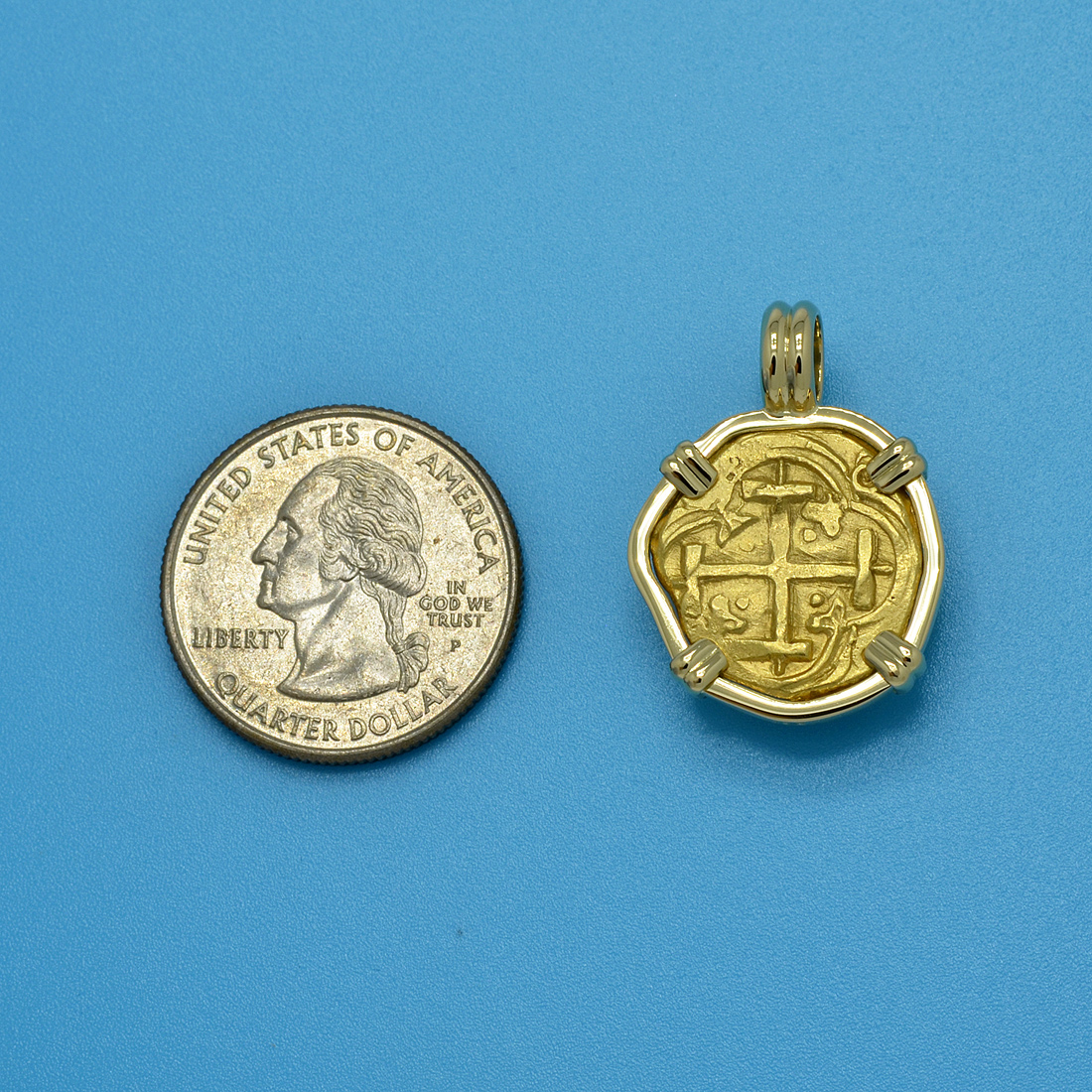
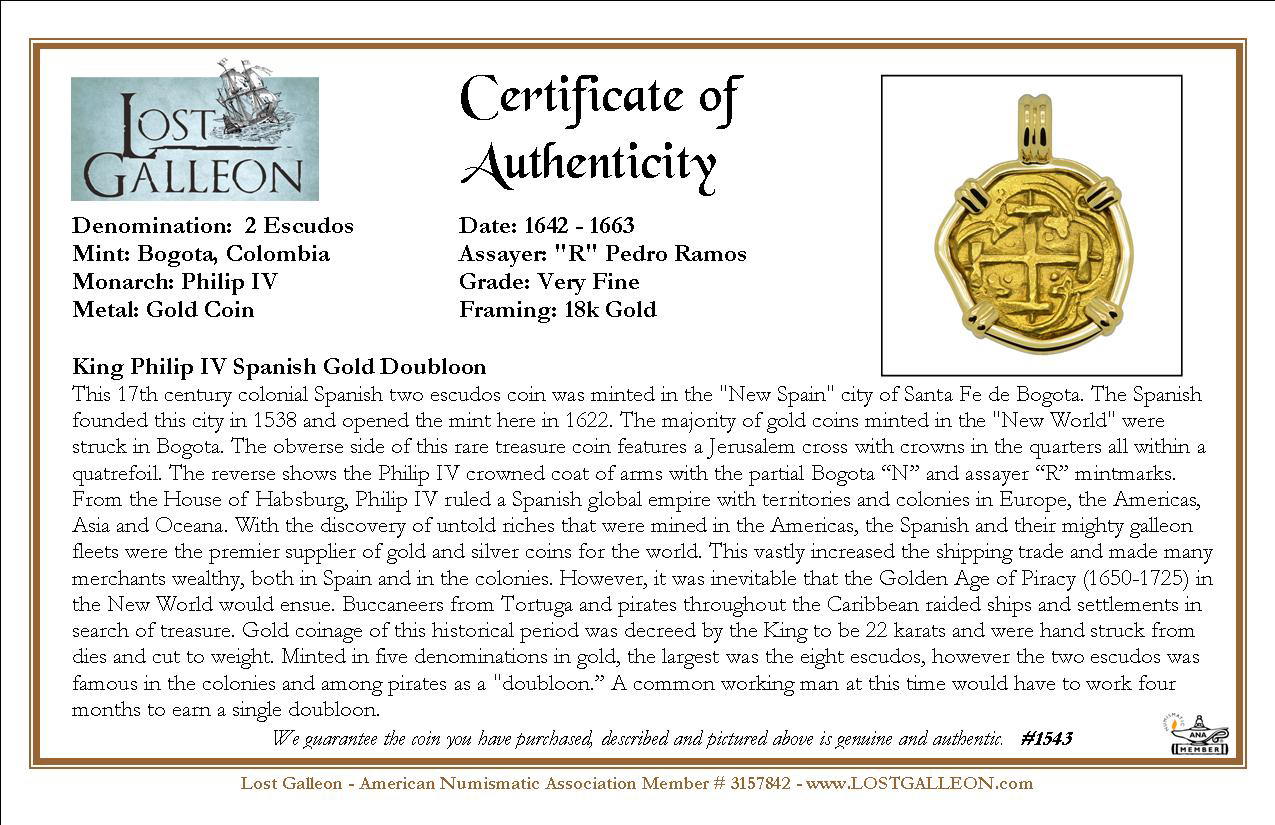
The Framed Coin Size Diameter is a measurement of the coin including the gold bezel, measured across the pendant from 9 o'clock to 3 o'clock. Some pendants that have an irregular shape are measured total width by height.
The weight shown is the total weight of the jewelry item. 1 ounce = 28 grams. For comparison, a Quarter weighs 5.7 grams and a Half Dollar weighs 12.5 grams.
Please contact us if you have any questions regarding the size of an item.
18mm - Dime
19mm - Penny
21mm - Nickel
24mm - Quarter
31mm - Half Dollar
Conversions
| mm | inches | inches | mm | inches | inches |
| 10 | 0.39 | Just over 3/8 inch | 26 | 1.02 | 1 and 1/32 inch |
| 11 | 0.43 | 7/16 inch | 27 | 1.06 | 1 and 1/16 inch |
| 12 | 0.47 | Just under 1/2 inch | 28 | 1.10 | 1 and 3/32 inch |
| 13 | 0.51 | Just over 1/2 inch | 29 | 1.14 | 1 and 1/8 inch |
| 14 | 0.55 | 9/16 inch | 30 | 1.18 | 1 and 3/16 inch |
| 15 | 0.59 | Just under 5/8 inch | 31 | 1.22 | Just under 1 and 1/4 inch.
Size of a Half Dollar. |
| 16 | 0.63 | 5/8 inch | 32 | 1.26 | Just over 1 and 1/4 inch |
| 17 | 0.67 | Just under 11/16 inch | 33 | 1.30 | 1 and 5/16 inch |
| 18 | 0.71 | Just under 3/4 inch.
Size of a Dime. | 34 | 1.34 | Just under 1 and 3/8 inch |
| 19 | 0.75 | 3/4 inch.
Size of a Penny | 35 | 1.38 | Just over 1 and 3/8 inch |
| 20 | 0.79 | Just under 13/16 inch | 36 | 1.42 | 1 and 7/16 inch |
| 21 | 0.83 | Just over 13/16 inch.
Size of a Nickel. | 37 | 1.46 | Just under 1 and 1/2 inch |
| 22 | 0.87 | Just under 7/8 inch | 38 | 1.50 | Just over 1 and 1/2 inch |
| 23 | 0.91 | Just over 7/8 inch | 39 | 1.54 | 1 and 9/16 inch |
| 24 | 0.94 | 15/16 inch.
Size of a Quarter. | 40 | 1.57 | Just under 1 and 5/8 inch |
| 25 | 0.98 | 1 inch |