Description:
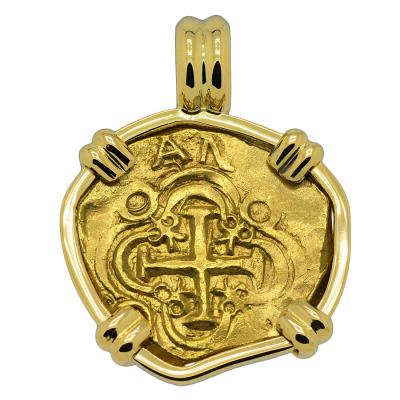
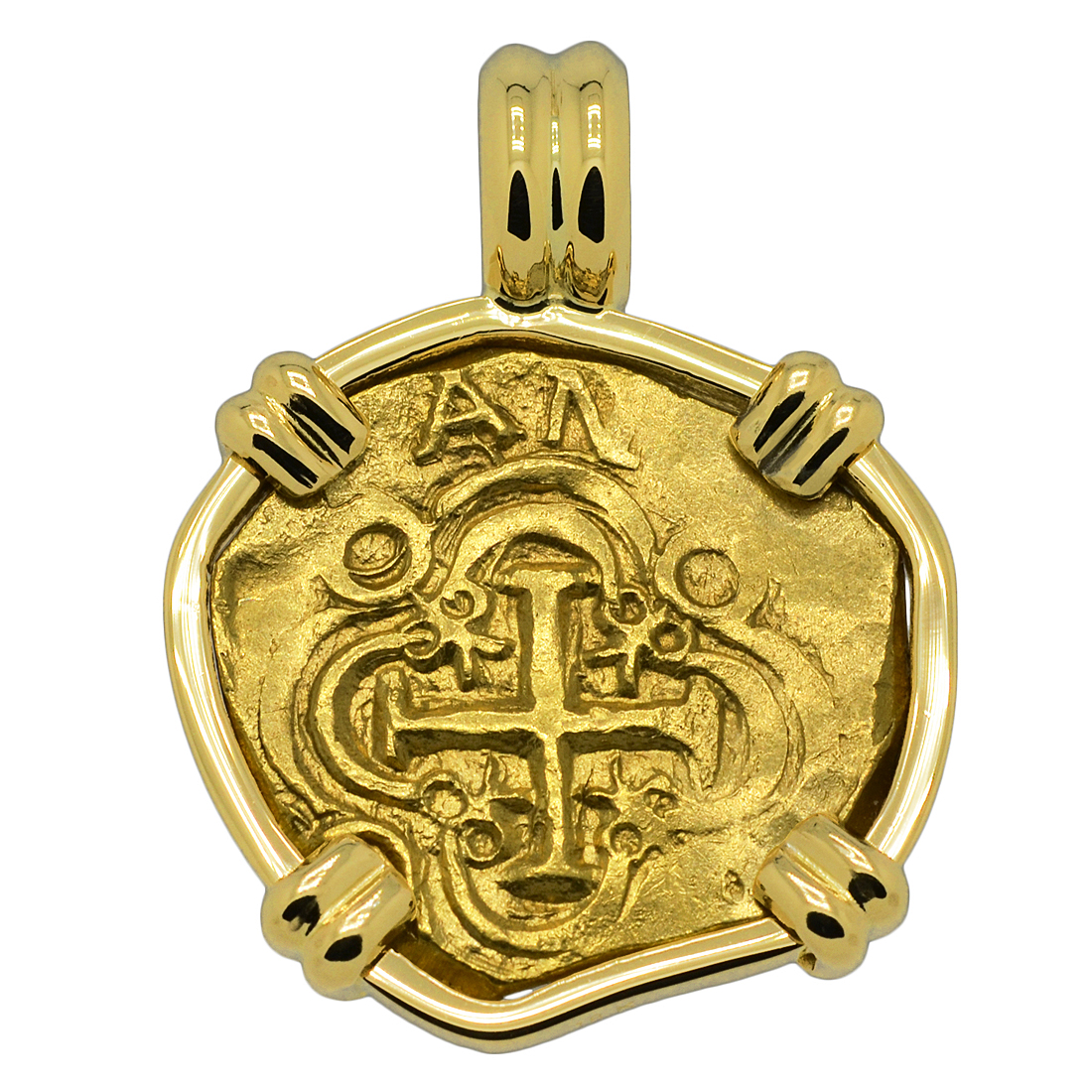
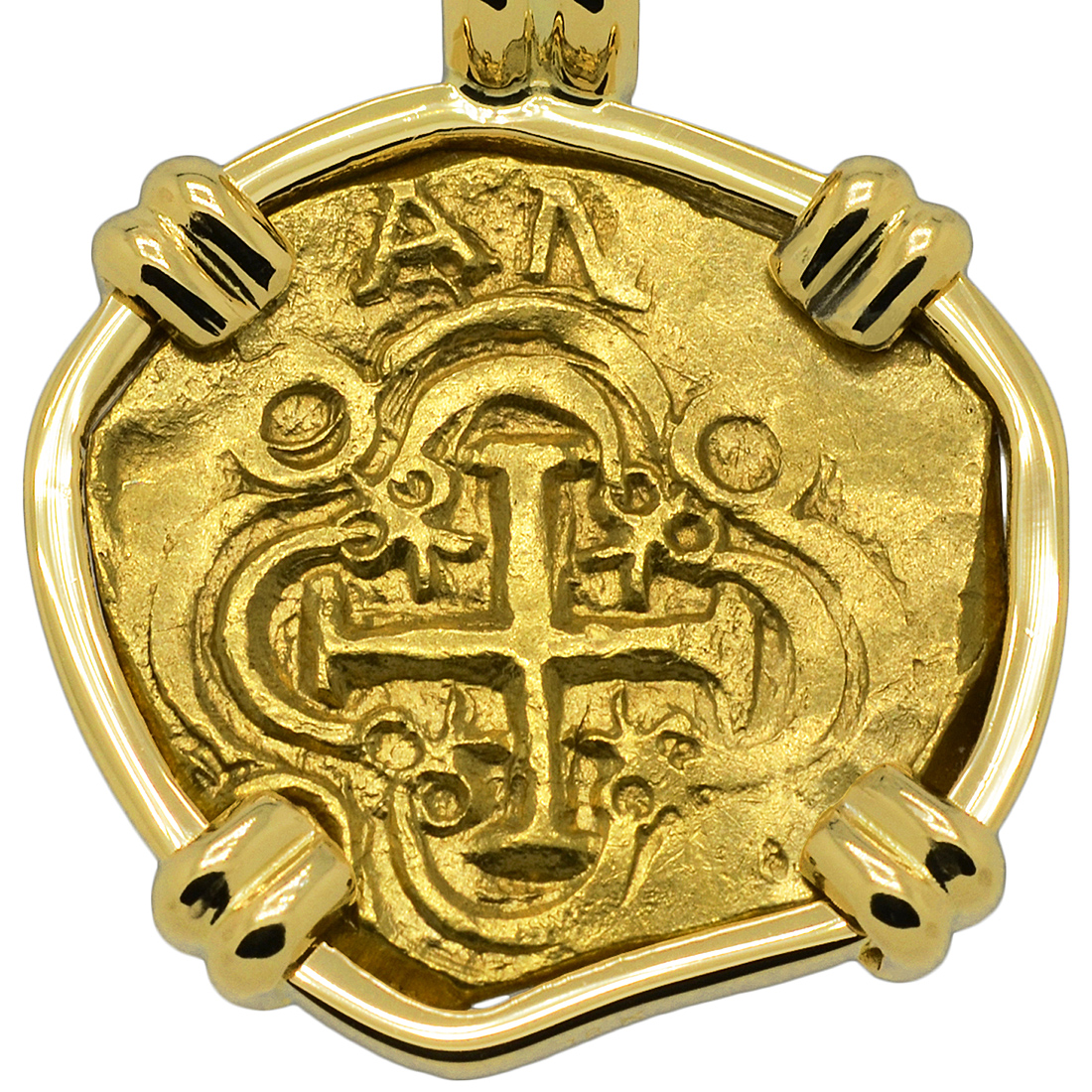
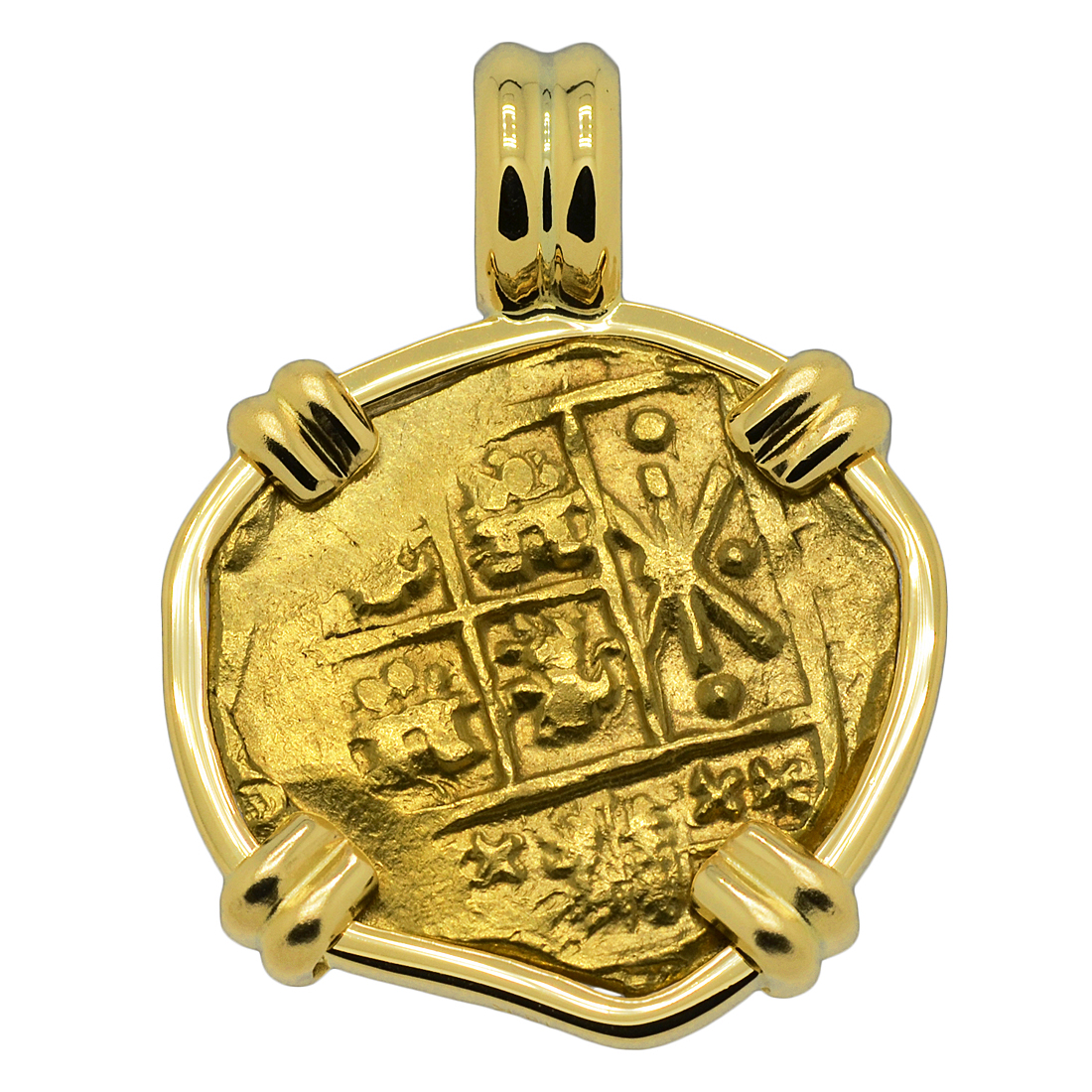
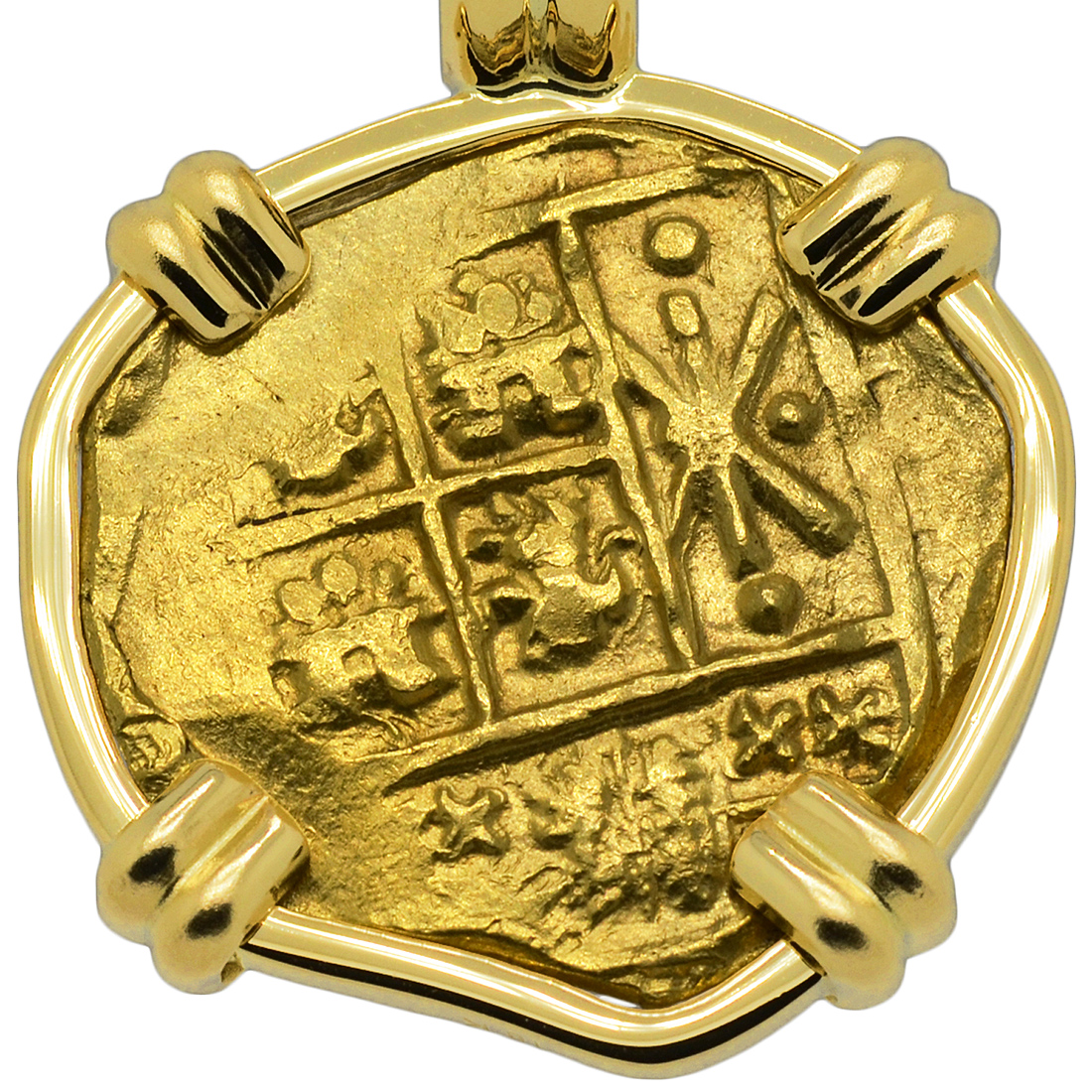
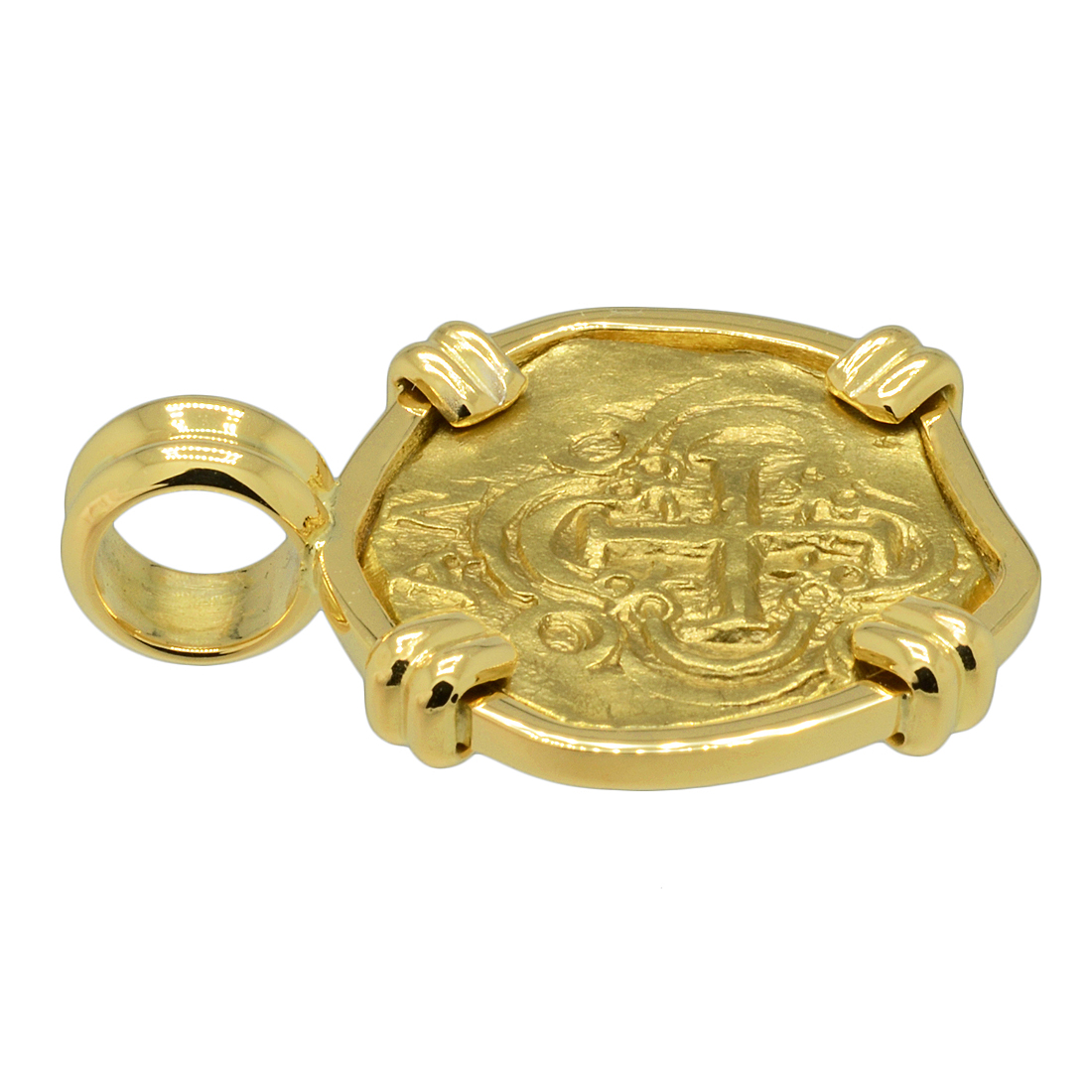
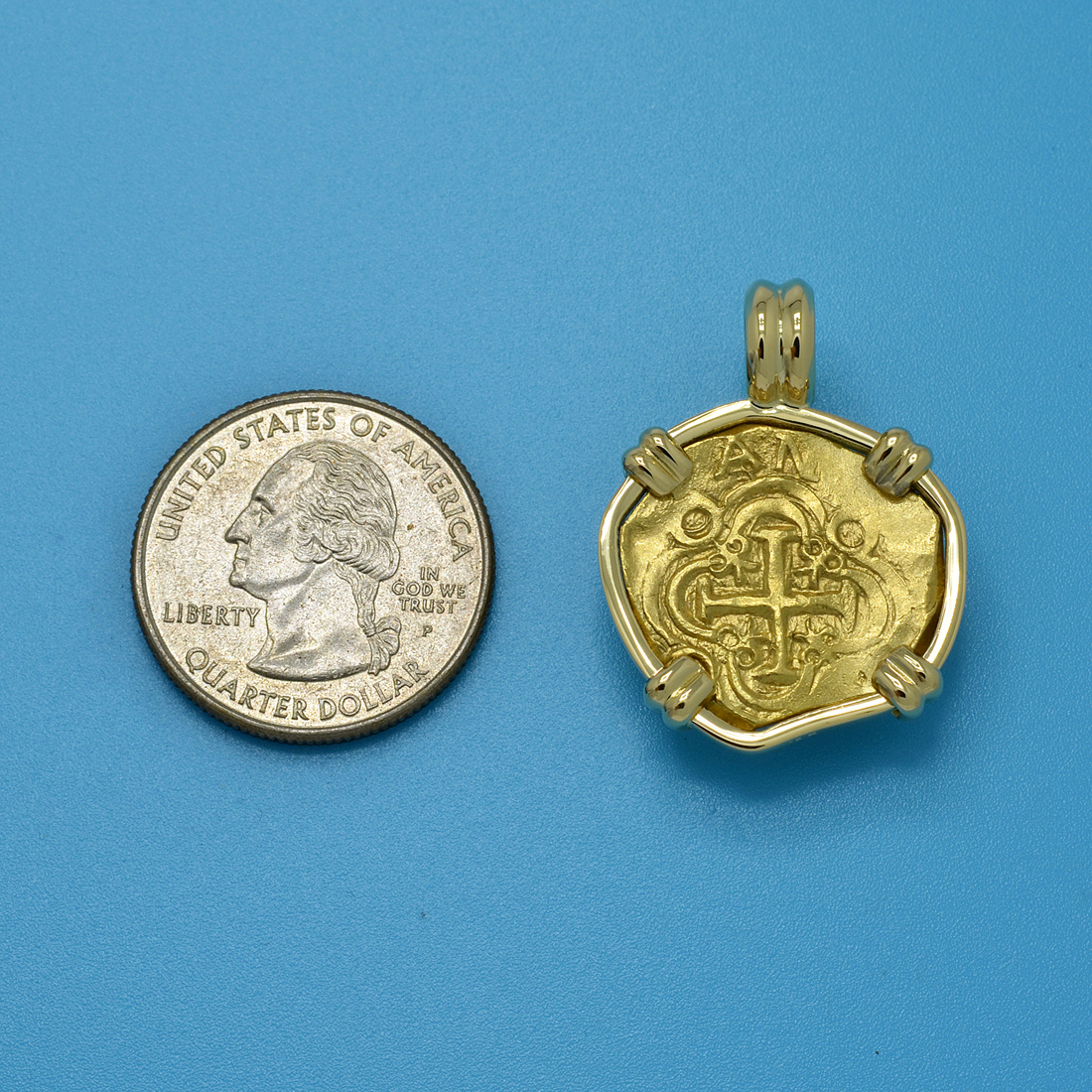
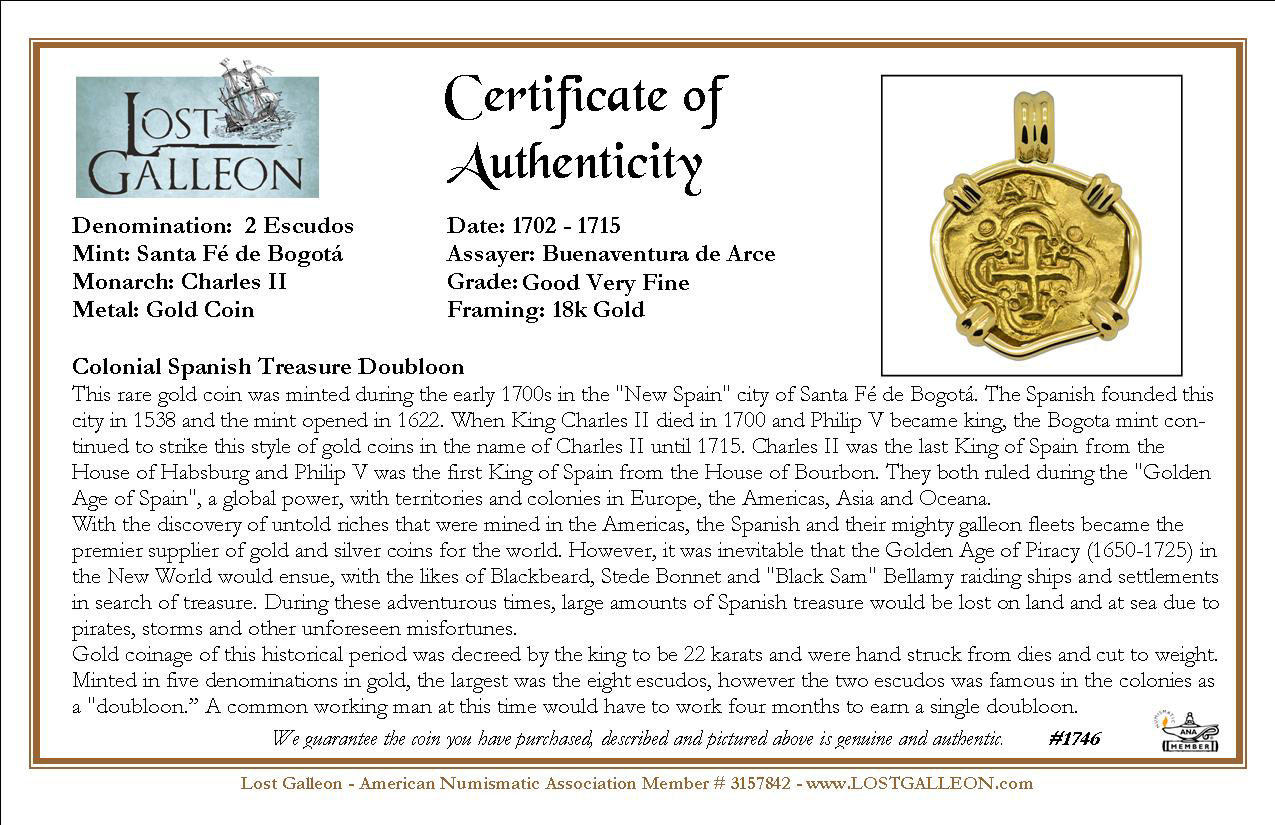
Gold two escudos coin that was probably recovered from the 1715 Fleet Spanish Shipwrecks off Florida.
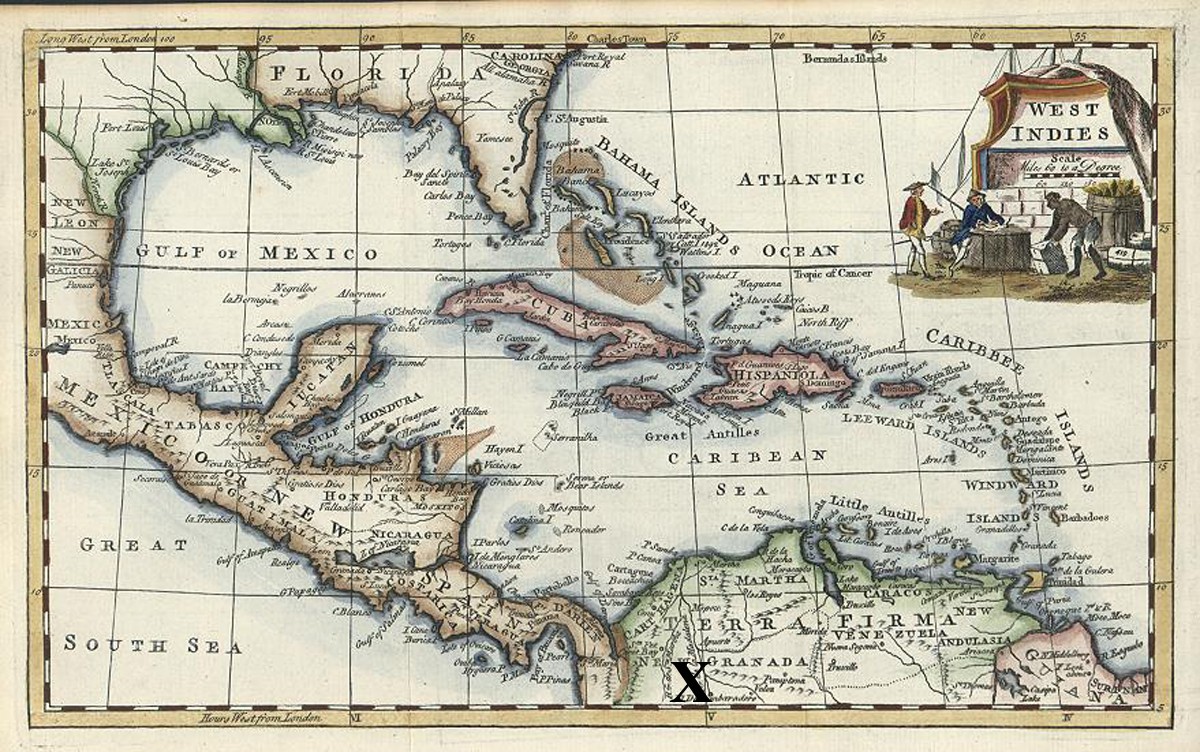
This rare gold coin was minted during the early 1700s in the "New Spain" city of Santa Fé de Bogotá. The Spanish founded this city in 1538 and the mint opened in 1622. When King Charles II died in 1700 and Philip V became king, the Bogota mint continued to strike this style of gold coins in the name of Charles II until 1715. Charles II was the last King of Spain from the House of Habsburg and Philip V was the first King of Spain from the House of Bourbon. They both ruled during the "Golden Age of Spain", a global power, with territories and colonies in Europe, the Americas, Asia and Oceana.
With the discovery of untold riches that were mined in the Americas, the Spanish and their mighty galleon fleets became the premier supplier of gold and silver coins for the world. However, it was inevitable that the Golden Age of Piracy (1650-1725) in the New World would ensue, with the likes of Blackbeard, Stede Bonnet and "Black Sam" Bellamy raiding ships and settlements in search of treasure. During these adventurous times, large amounts of Spanish treasure would be lost on land and at sea due to pirates, storms and other unforeseen misfortunes.
Gold coinage of this historical period was decreed by the king to be 22 karats and were hand struck from dies and cut to weight. Minted in five denominations in gold, the largest was the eight escudos, however the two escudos was famous in the colonies as a "doubloon.” A common working man at this time would have to work four months to earn a single doubloon.